Industries
A fastener is easy. A fastener that survives the way a specific industry uses it is not. Below is what we have learned building parts for each of these assembly environments.
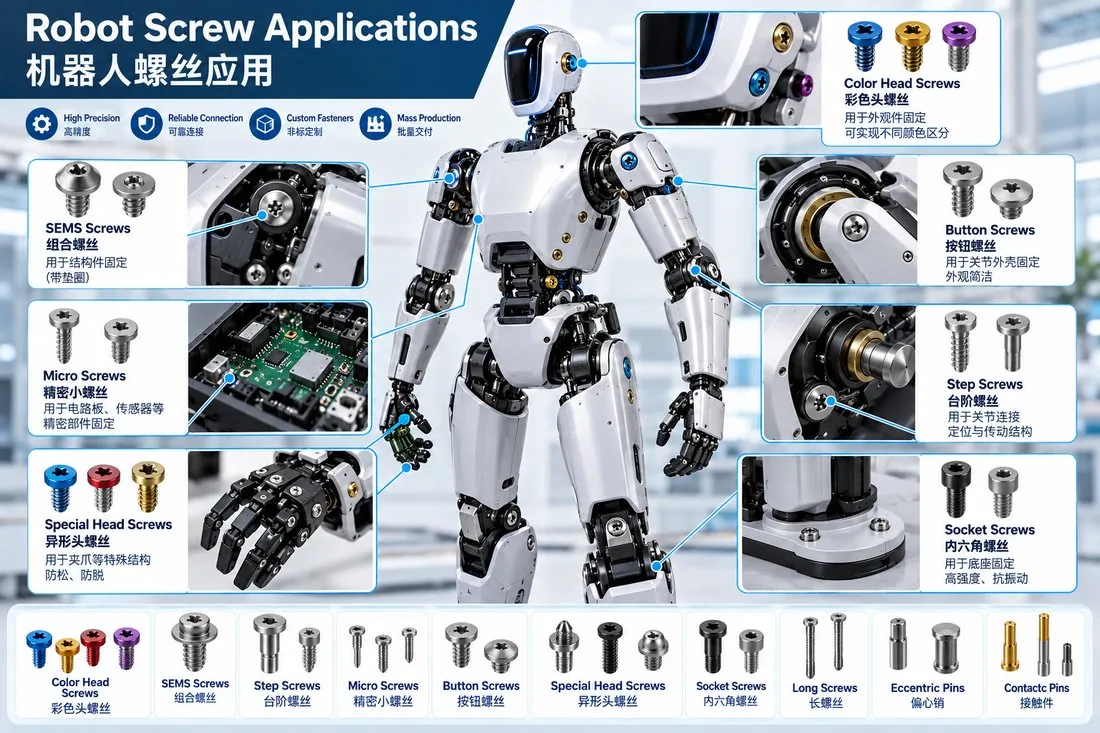
A humanoid robot has more fastener types per unit than almost any other machine — joints, grippers, control boards and skin panels all pull from the same BOM, and a missing screw on the line stops the whole cell.
What we make for this industry
Colour anodising is done per assembly station, so a fitter can tell at arm's length whether the part in hand is the right one.
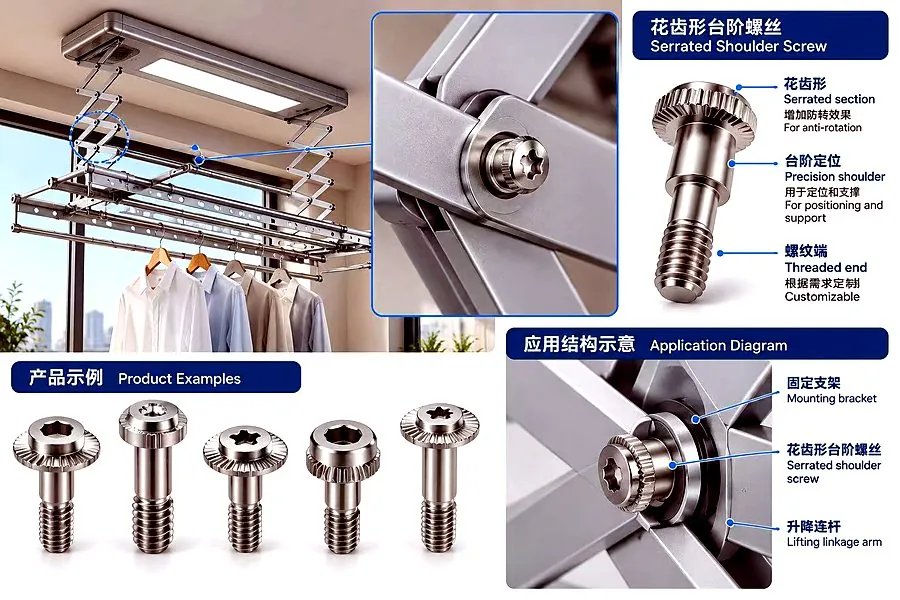
High-torque kitchen appliances fail at the screw joint before they fail anywhere else. Vibration loosens a standard screw; a SEMS screw with the right preload and a food-safe finish does not.
What we make for this industry
Steam, detergent and food contact all attack coating differently — the finish spec has to come from the environment, not from habit.
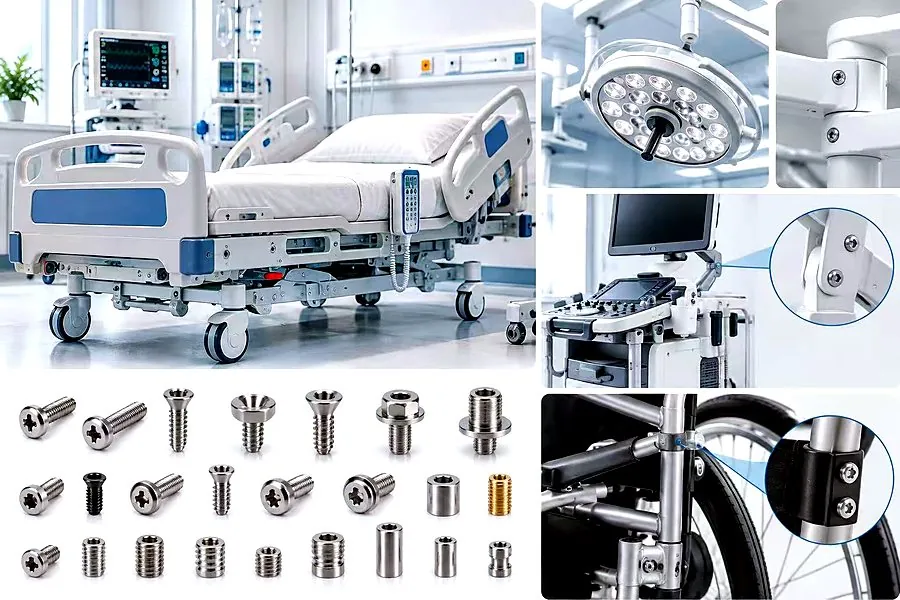
Small, clean and repeatable. Medical sub-assemblies do not tolerate a burr, a loose tolerance or a part that changes supplier mid-programme.
What we make for this industry
On parts this size, handling damages more units than machining does — packing and bulk movement are part of the process design.
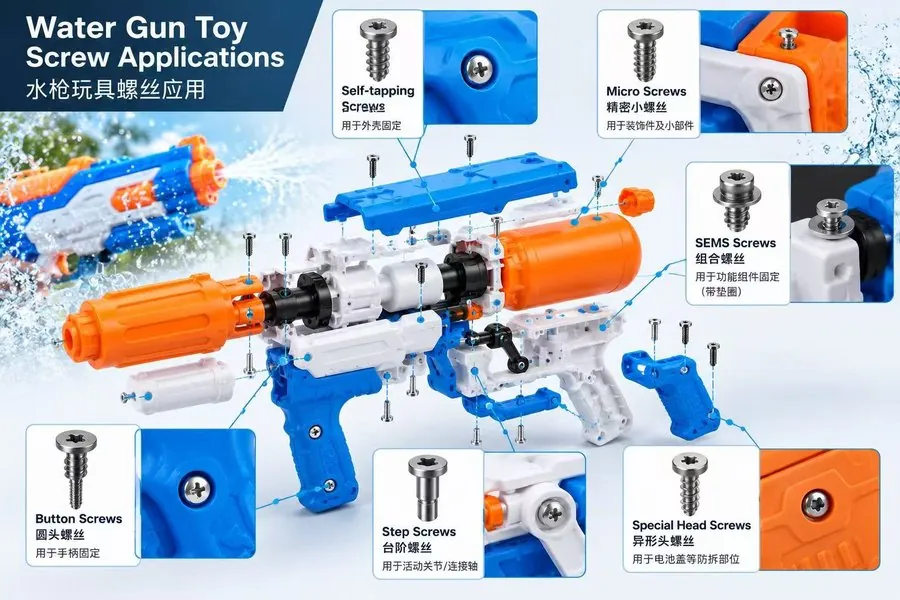
A pressurised water toy is a sealed plastic vessel held together by screws. Stainless where the water goes, self-tapping where the housing closes, and EN 71-3 compliance throughout.
What we make for this industry
Toy safety is a documentation problem as much as a material one — the test report has to be current, not archived.
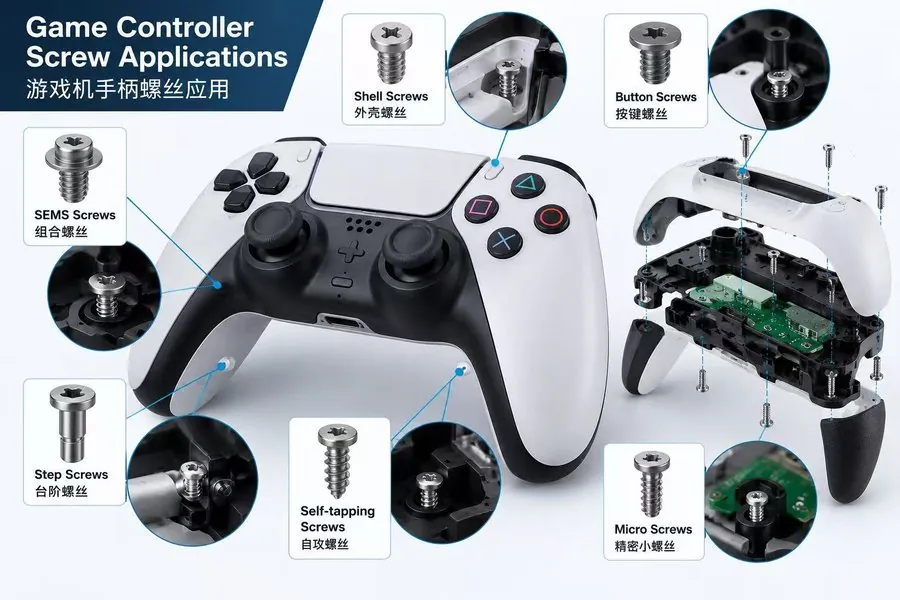
A controller is a high-volume assembly with five or six different miniature fasteners, driven by automated drivers at line speed. Any cam-out stops the line.
What we make for this industry
At this size the driver bit wears faster than the screw — the head geometry has to be matched to the bit the line actually uses.
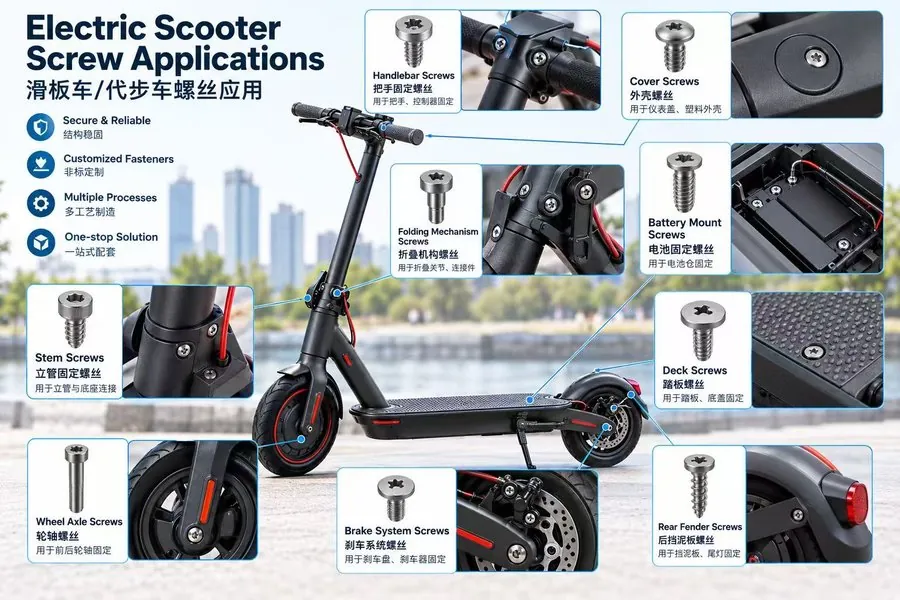
Shared-scooter duty cycles are brutal: vibration, weather, and a torque wrench in the hands of a field technician. Every fastener is a safety part.
What we make for this industry
Field service means the fastener will be removed and refitted many times — thread durability matters more than first-assembly torque.
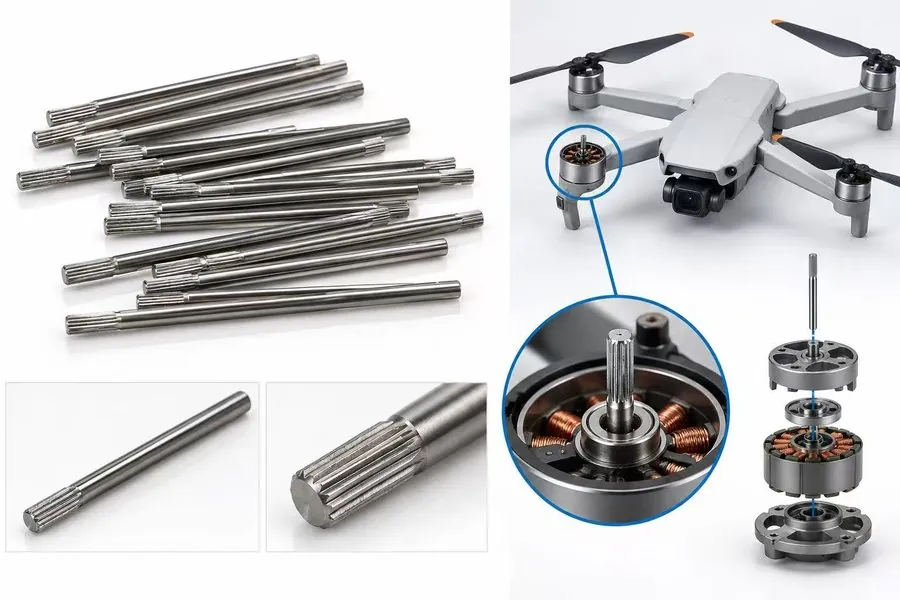
A motor shaft that runs out by a few microns becomes a vibration, and a vibration becomes a gimbal that cannot stabilise. Run-out is the whole specification.
What we make for this industry
The knurl is not decoration: its pitch and depth decide whether the rotor stays concentric after press-fitting.
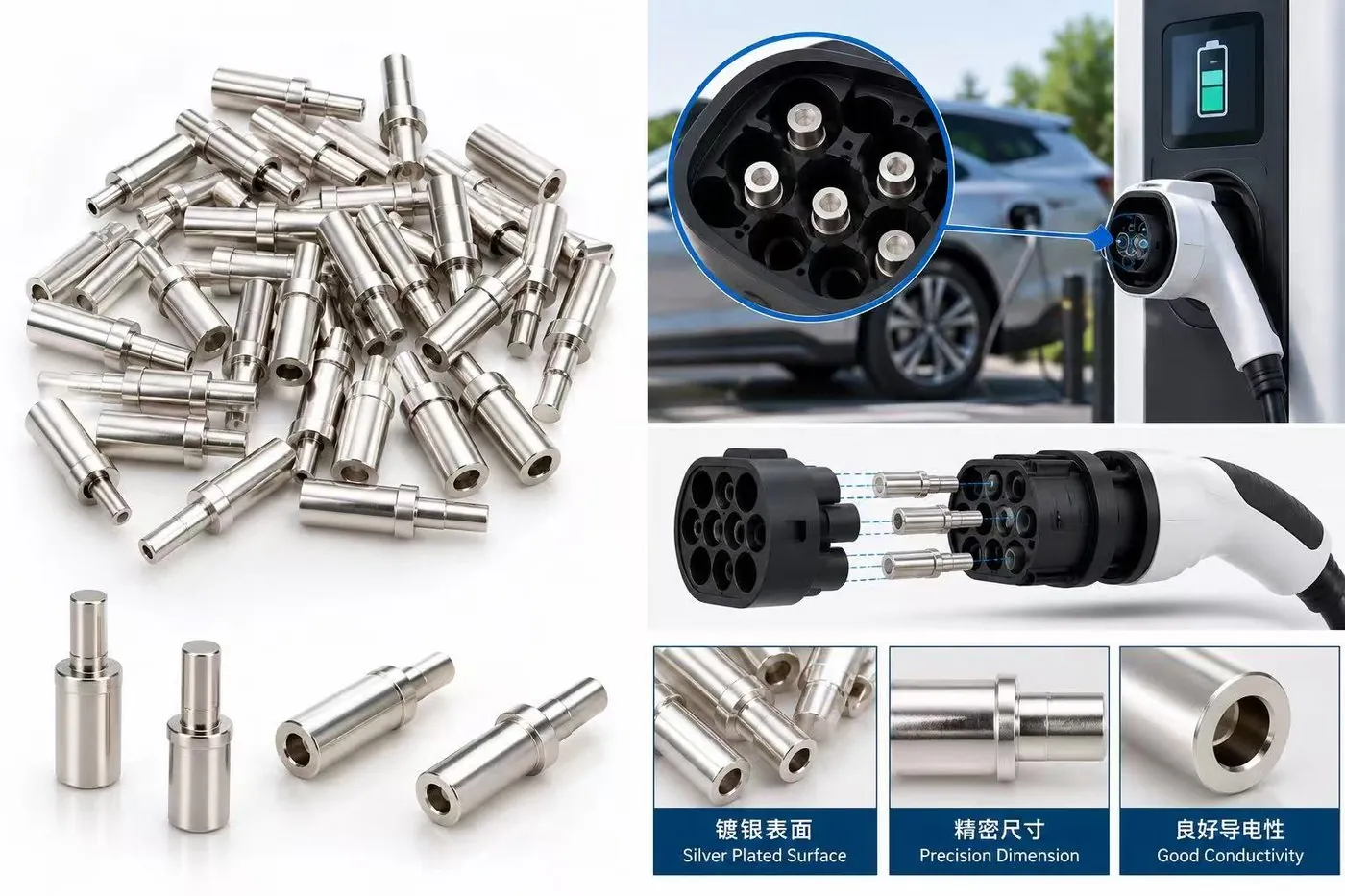
In a DC fast-charging connector, contact resistance is set by plating thickness, edge condition and concentricity — none of which show up in a visual inspection. All three show up as heat at 200 amps.
What we make for this industry
Plating over a burr keeps the burr — the edge is formed and polished before the barrel, not fixed in it.
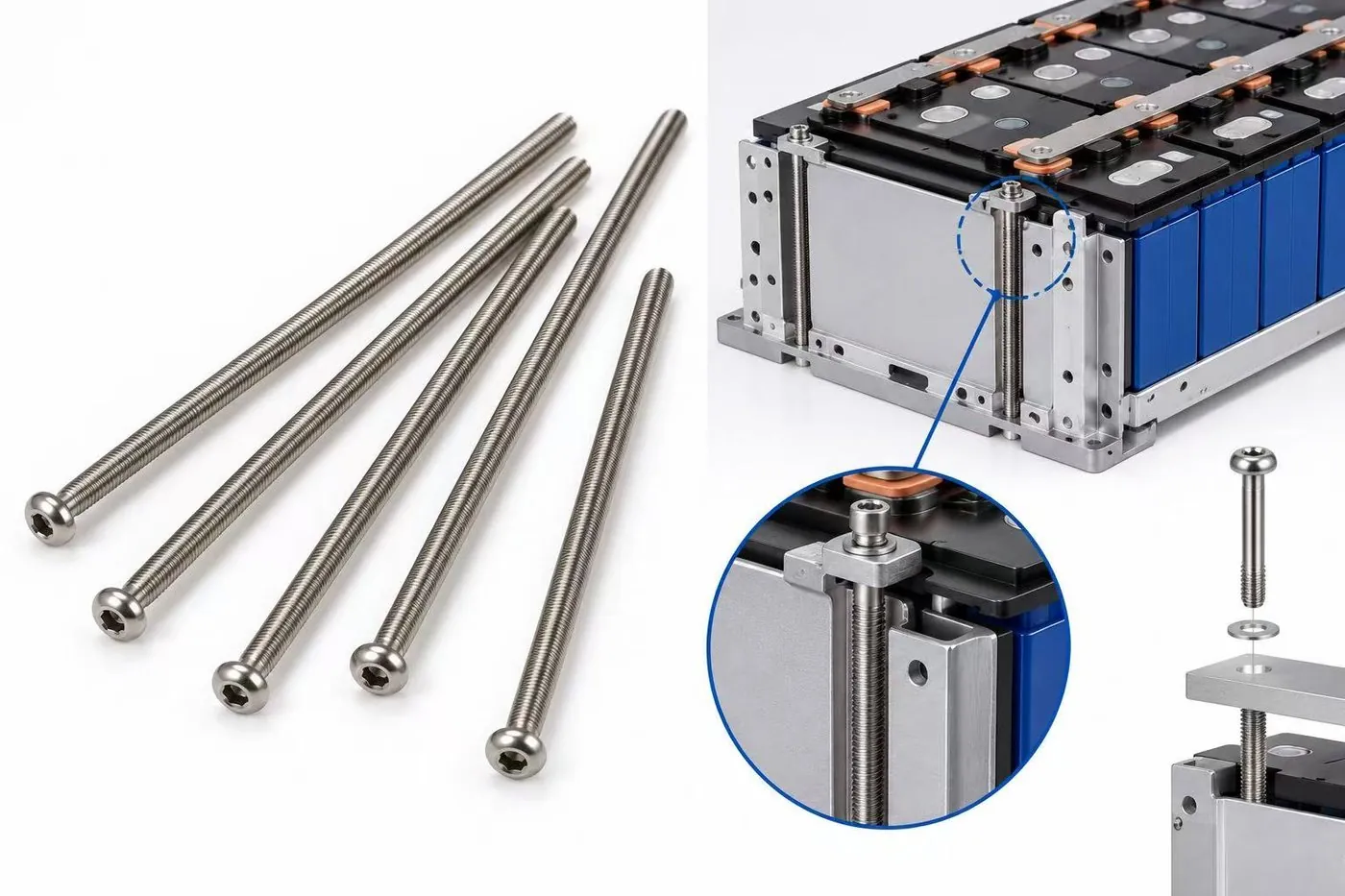
Battery modules clamp prismatic cells between end plates with long screws. If the screw bows, the stack does not seat, and the assembler compensates with torque — which is where modules fail in the field.
What we make for this industry
Anyone can make a 300 mm screw. Making one that goes through four stacked components without forcing is the part that matters.
Feasibility, process route and an indicative price in 48 hours — including when the answer is that turning is the better route.
Send a drawing